
How Synagogues Are Modernizing Dues Billing in 2026
Dues billing used to mean one thing at most shuls: a mail merge in the fall, a stack of checks that trickle in over months, and a volunteer treasurer manually tracking who's paid in a spreadsheet. That model is quietly disappearing, and it's worth understanding what's replacing it.
From "send it once a year" to a real invoice system
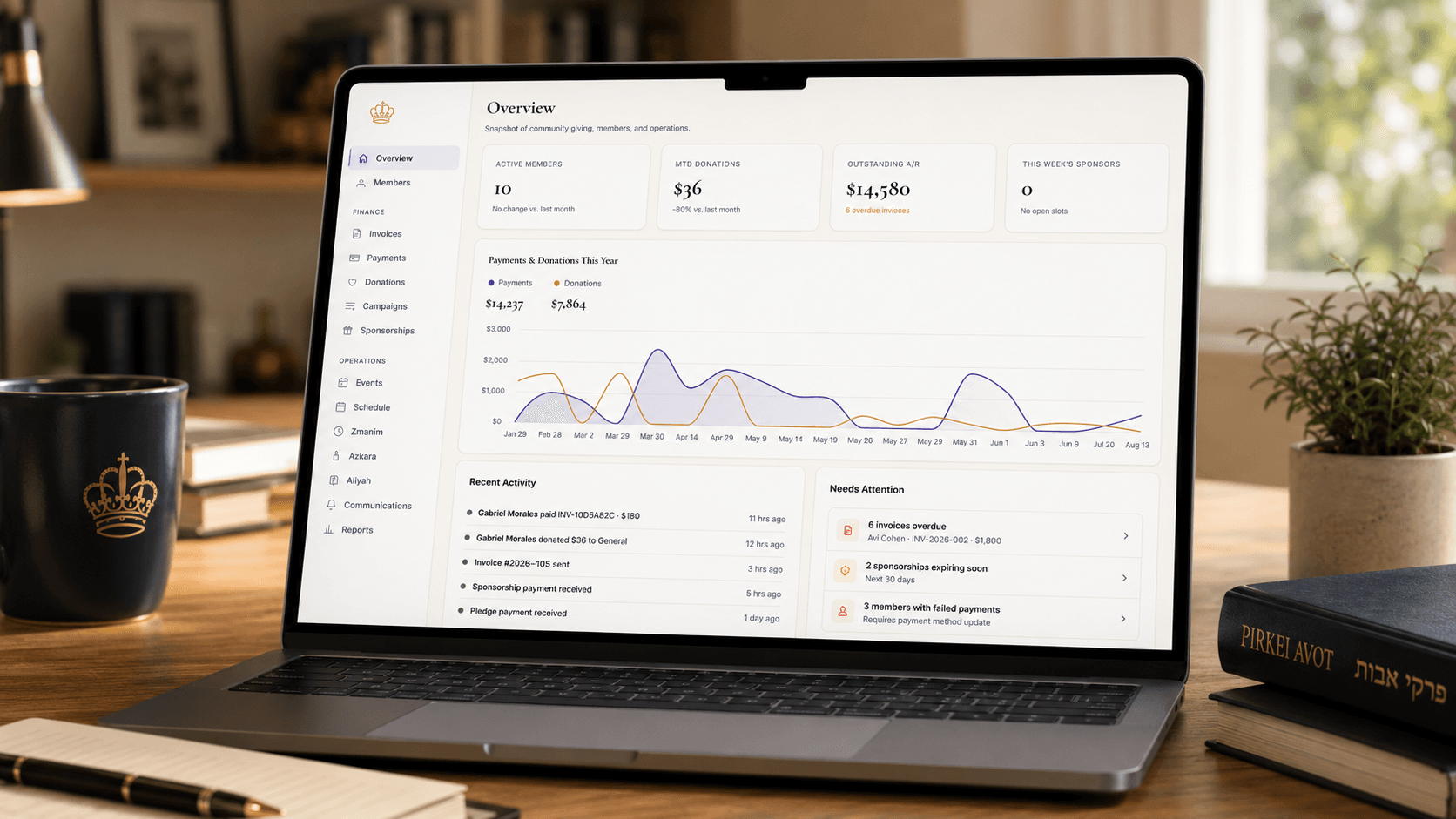
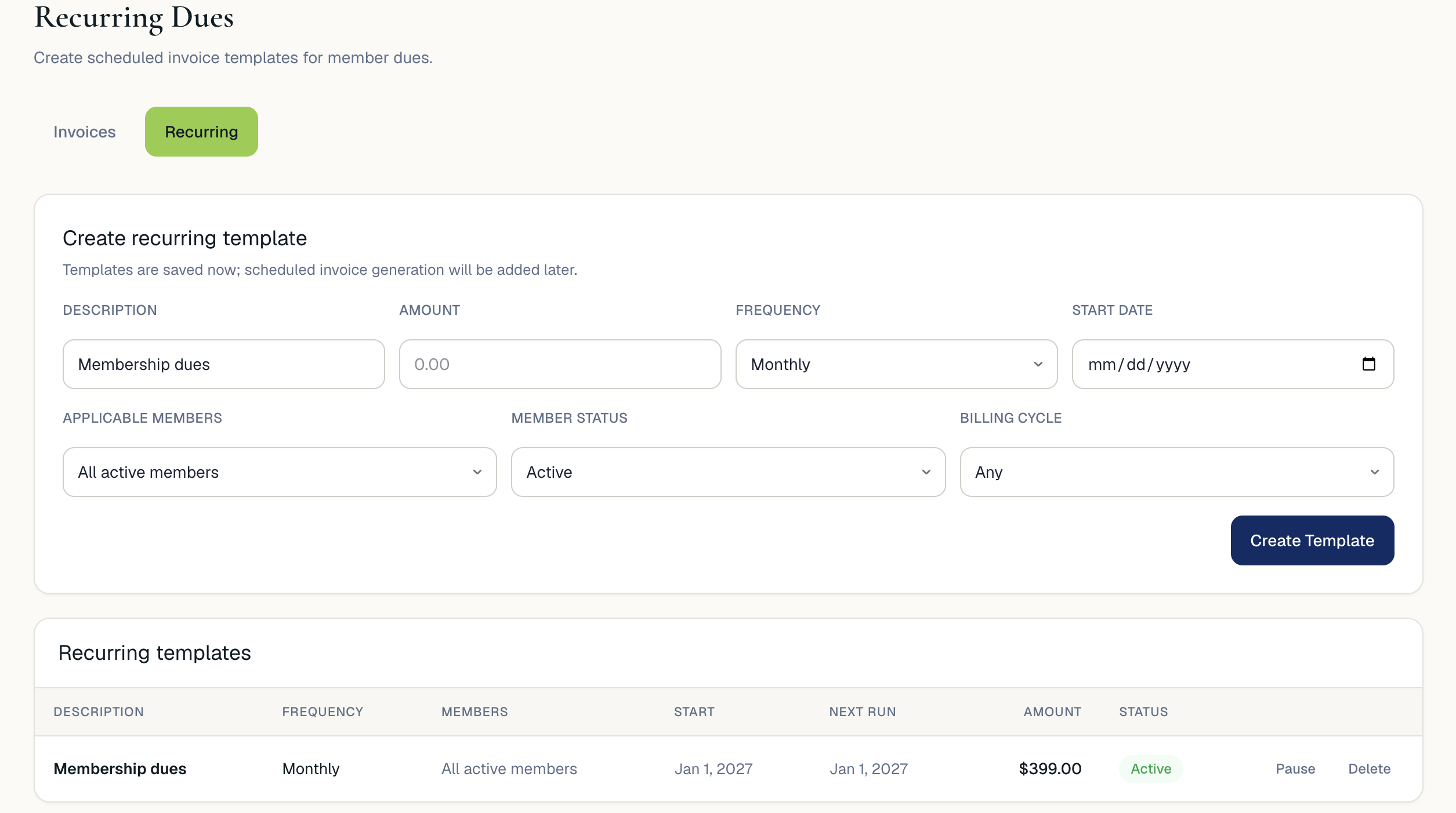
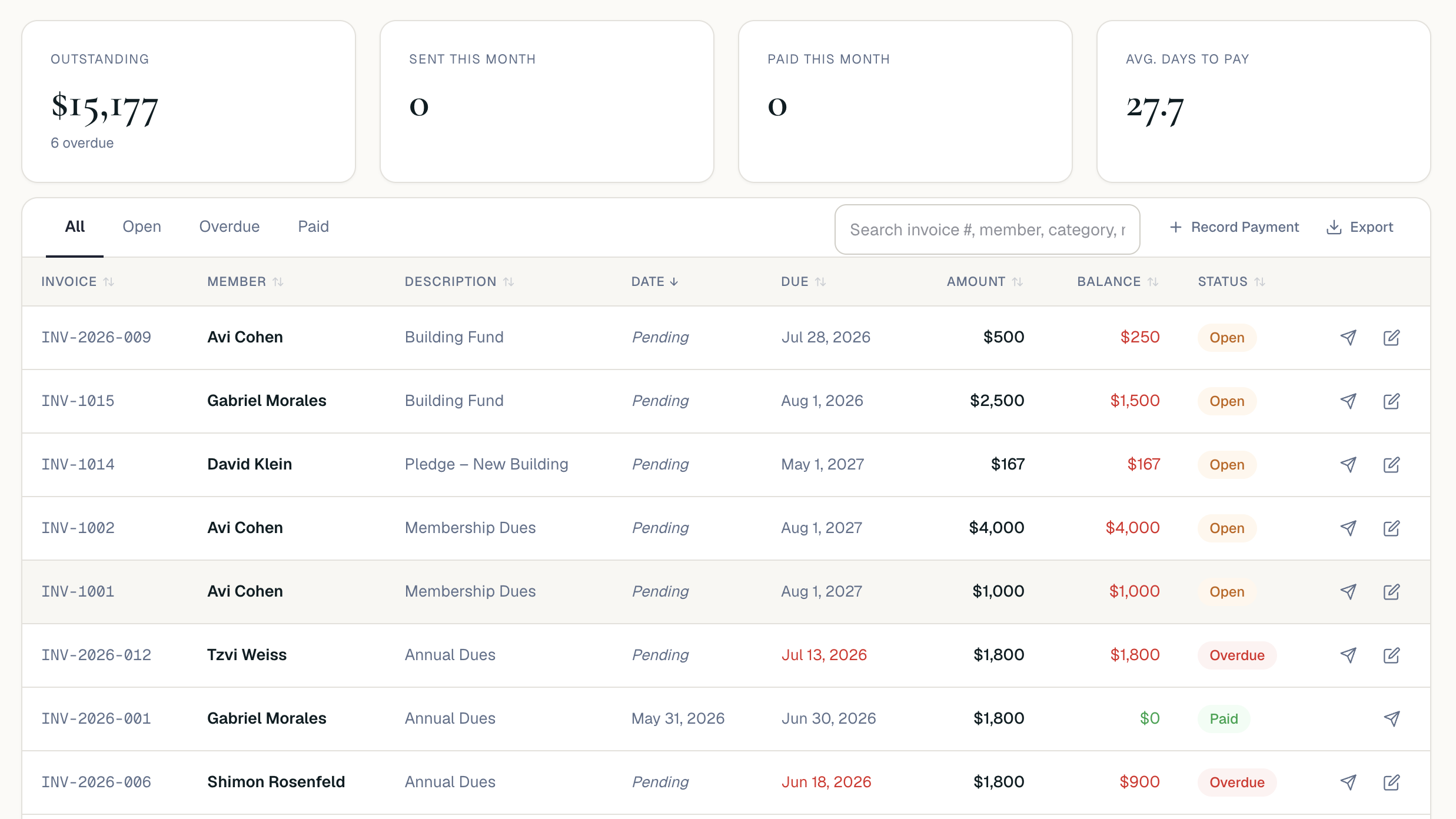
The biggest shift is treating dues like what they actually are — recurring invoices — instead of a single annual ask. On GabbaiPro, admins now build recurring dues templates: a description, an amount, a frequency (monthly or annual), a start date, and who it applies to (all active members, or a filtered group — say, only members on a monthly billing cycle). Instead of drafting the same invoice language every renewal season, the template captures it once.
Reminders that don't depend on a volunteer remembering
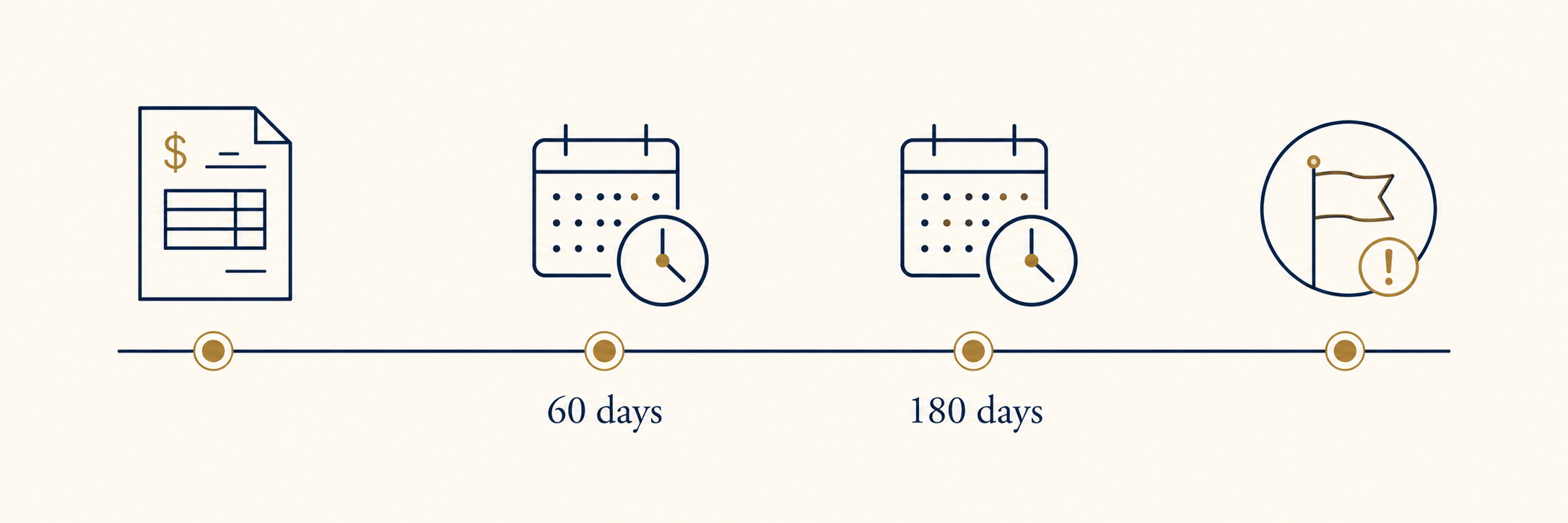
The quiet failure point in most shul billing isn't sending the first invoice — it's the follow-up. Someone doesn't pay, and nothing happens until a board member happens to notice three months later. Automatic reminders close that gap: an unpaid invoice gets a first reminder at 60 days past due, a second at 180 days, and at that point it's flagged for a human to personally follow up. The system escalates on a schedule; a person only gets involved once it's actually time to have a conversation, not to remember there should be one.
Members can just... pay
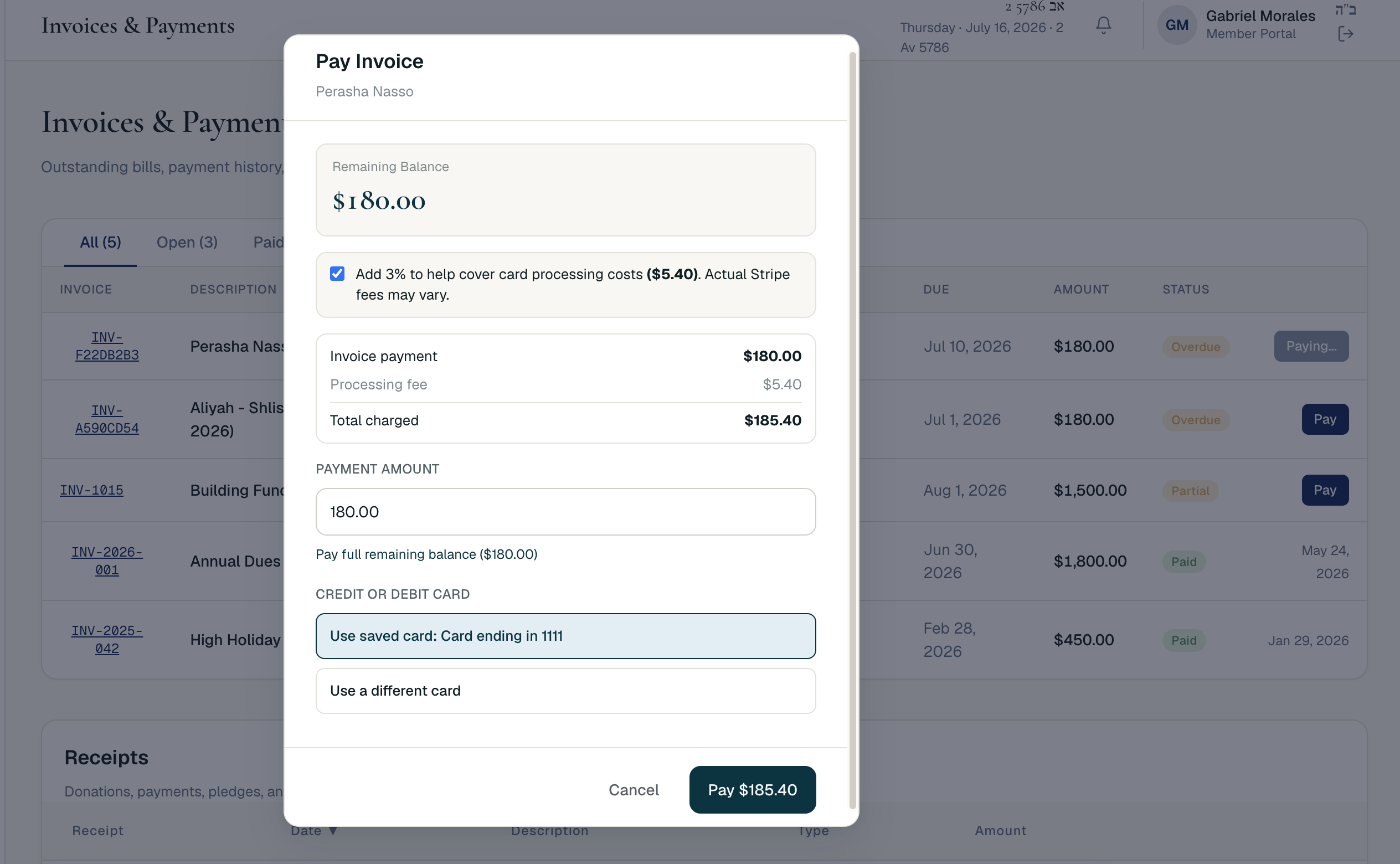
A dues invoice that requires a check in the mail is a dues invoice that takes weeks to collect. Card payment support means a member gets an invoice, clicks a link, and pays — with the balance updating on both the admin dashboard and the member's own invoice view in real time. No reconciliation lag, no "did that check ever arrive."
Payables get the same treatment money coming in gets
Dues is only half the financial picture — every shul also has bills going out. A dedicated payables screen brings vendor bills, partial payments, CSV import/export, and direct QuickBooks sync into the same system as dues invoicing, instead of living in a second, disconnected process. That matters for the treasurer at tax time and for anyone trying to answer "where does our money actually go" without opening three separate files.
What this adds up to
None of this is exotic fintech — it's dues billing catching up to what every other kind of subscription billing has done for a decade: recurring invoices, automatic follow-up, and a real-time payment status instead of a shoebox of receipts. For a shul, the payoff isn't just tidier books — it's fewer awkward "did you get my check?" conversations, and a board that can see collection status without asking the one volunteer who keeps the spreadsheet.
If your shul is still running dues through a shared spreadsheet and a mail merge, 2026 is a reasonable year to stop.